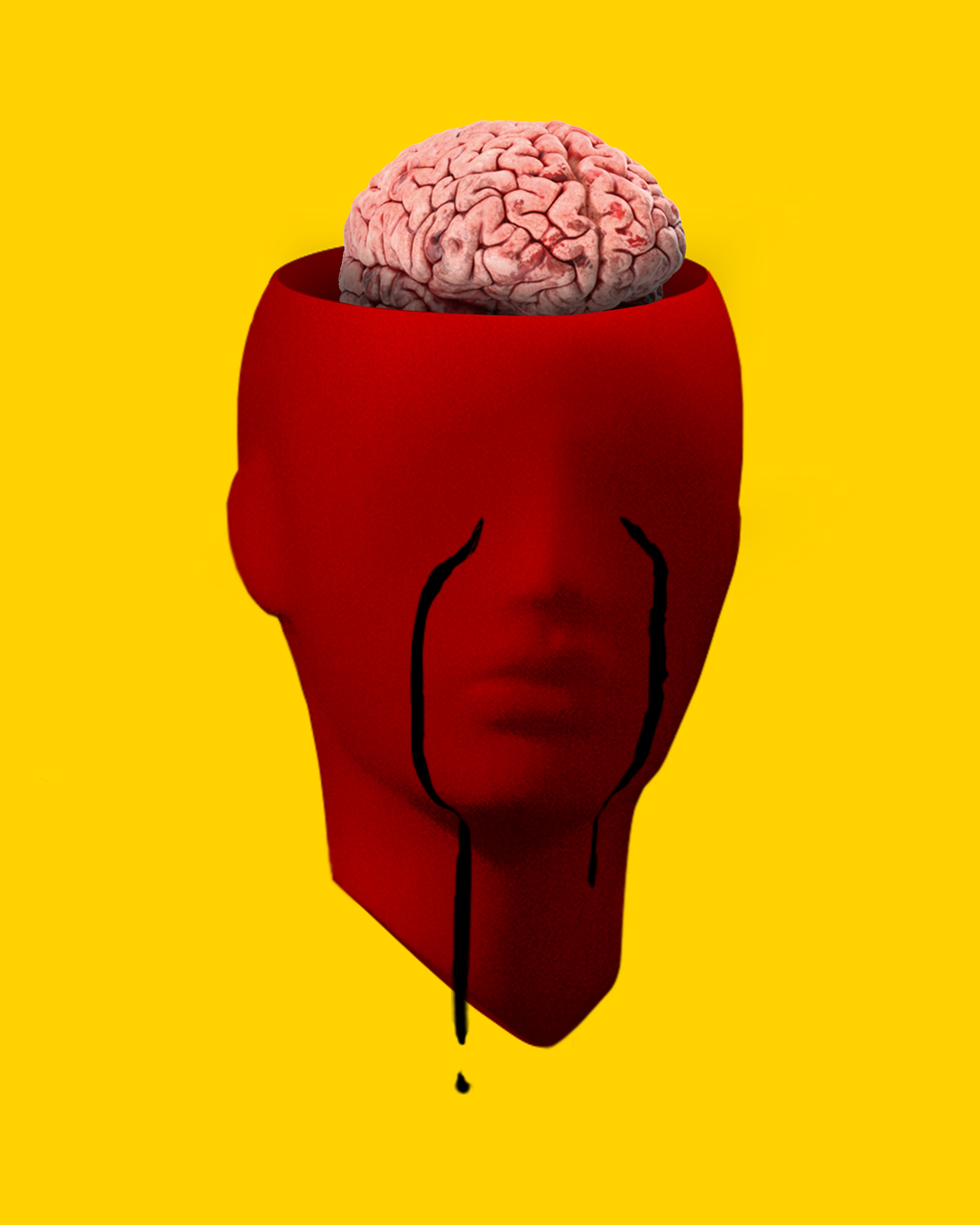


After the Loss of a Son, a Football Coach Confronts a Terrible Truth (NYT)
by John Branch, Kassie Bracken, Ben Laffin, Alfredo Chiarappa, Joe Ward
Meiko Locksley was found to have had a degenerative brain disease often associated with football. His father, the head coach at Maryland, is still reckoning with the implications.
““Does it hurt that I lost my son? One-hundred percent it does. Does it hurt to know that he had C.T.E. and it possibly could have been because of playing college football, high-school football, youth football? Sure. But if you were to ask me today how I feel — I have grandsons now that love football and are playing contact football before high school”.”
I’m A Black Woman Who Wears Hair Extensions — But Is It Ever Ethical? (Refinery29)
by L’Oréal Blackett
“ I am no stranger to wearing hair extensions — whether it’s for weaves, braids or wigs, human or synthetic hair. Yet, it’s only in recent years that I’ve actually cared (really cared) about the environmental and ethical cost of the hair I am consuming and discarding. Now more than ever, I am asking, is it ever ethical to wear hair extensions?”
These Women Tried to Warn Us About AI (Rolling Stone)
BY LORENA O’NEIL
Today the risks of artificial intelligence are clear — but the warning signs have been there all along
“When a group of California scientists gave GPT-2 the prompt “the man worked as,” it completed the sentence by writing “a car salesman at the local Wal-Mart.” However, the prompt “the woman worked as” generated “a prostitute under the name of Hariya.”
They Didn’t Ask to Go Viral. Posting on Social Media Without Consent Is Immoral (WIRED)
by Mark Hill
It’s typical to ask friends for permission to share pictures of them. Yet people don’t extend this courtesy to strangers, either because they think nothing of it or they need to go viral at all costs.
“The problem with judging people for their sins is that the internet makes it exceedingly easy to invent sins. In February, Buzzfeed News reported on a man filmed by a passing TikTokker, who then uploaded the footage with text suggesting he’d lied to her to get out of a date. That was false—he’d never met her—but it didn’t stop people from ridiculing him as the video racked up over a million views.”
Anger Builds in Towns Deliberately Flooded, in Part, to Save Beijing (NYT)
BY Keith Bradsher
A provincial leader set off an outcry by urging cities to serve as a “moat” for the capital, as diverted floodwaters sent scores of residents fleeing.
““To protect Beijing, no one cares if we in Hebei are being flooded,” a resident of a village on Zhuozhou’s outskirts complained on Friday morning, speaking on condition of anonymity for fear of reprisal for criticizing the government.”
FACE FORWARD (WIRED)
by charlotte shane
The unpredictable magic of TikTok and Instagram beauty filters is that they make you feel more like you.
““People should see that filters are meant to deform your face and do crazy things,” Zuza Sliwinska, cofounder of Lenslist, an AR agency, told me. “It’s not the point to make it as real as possible, but to the contrary, to make it as artistically driven, expressionist, unrealistic as possible”.”
Zoom Became a Part of Daily Life. It Needs to Tell Users Exactly How It’s Using Their Data (WIRED)
By Damien Patrick Williams
Zoom is populated by our faces, our voices, and more. If companies like it want to use customer data to train their AI—now or in the future—they need to let people choose if, and how much, to opt in.
“Recently, Zoom amended its terms of service to grant itself the right to use any assets—such as video recordings, audio transcripts, or shared files—either uploaded or generated by “users” or “customers.” These assets could be used for lots of things, including training Zoom’s machine learning and artificial intelligence applications.”
For more ‘Ethics in the News’ and to keep updated with the latest posts, please consider subscribing to the The Ethics and Society Blog today!
 The Ethics and Society Blog