
Can Academia Survive ChatGPT? was a panel discussion conducted on Tuesday, October 24th, 2023 at the Walsh Family Library featuring panelists Dr. Brenda Curtis, clinical investigator in the National Institute on Drug Abuse/NIH Intramural Research Program and the Chief of the Technology and Translational Research Unit, and Dr. Matthew Smith, Associate Professor of Philosophy at Northeastern University. Centering on artificial intelligence, the panel focused on considering the ethics of generative AI in relation to the future of research and teaching, followed by a Q&A facilitated by Dr. Celia Fisher, Director of the Center for Ethics Education at Fordham University.
[ Panel Summary ]
Dr. Brenda Curtis a researcher specializing in substance use disorders, noted that through the use of generative AI and novel methodologies, she aimed to enhance the understanding and treatment of these conditions. As remarked by Dr. Curtis, their work includes national surveillance using AI tools to predict opioid overdose hotspots, analyzing social media language to study excessive alcohol use, and detecting depression symptoms on platforms like Reddit. She also spoke of her research regarding digital phenotyping, that is, leveraging AI and big data to identify risk factors and predict treatment outcomes. Dr. Curtis highlighted the importance of prioritizing ethical considerations, emphasizing informed consent, privacy protection, and the importance of human expertise. While she acknowledged the potential benefits of generative AI, she urged critical evaluation and improvement of AI-generated content to uphold scientific rigor.
Philosophy professor Dr. Matthew Smith discussed the impact of new technologies, particularly AI text generation systems like Chat Gpt, on the student-teacher relationship in universities. He argued against the common belief that these technologies pose a threat to the relationship, asserting that the values inherent in an ideal student-teacher relationship can still be realized. Dr. Smith emphasized the importance of acquiring knowledge and skills, engaging in a transgenerational project of understanding, and the interactive nature of the student-teacher relationship. Acknowledging the challenges posed by the current political economy and student precarity but suggested that educators should focus on reconstituting the classroom practices to reduce stakes, eliminate precarity, and foster collaboration. Dr. Smith concluded that with the right approach, academia can adapt to new technologies and maintain the core values of the student-teacher relationship.
For the Q&A, Dr. Brenda Curtis and Dr. Matthew Smith raised various points regarding the incorporation of chat GPT (generative AI) in academia. They emphasized the importance of maintaining healthy student-teacher relationships, rather than relying solely on chat GPT for surface-level answers. They highlighted the need for personalized and guided instruction to foster deep understanding and critical thinking. Additionally, they recognized the potential benefits of chat GPT in assisting students with disabilities and facilitating interdisciplinary learning. They also acknowledged the challenges of ensuring ethical use and addressing the stigma associated with mental health disorders. Both Dr. Curtis and Dr. Smith stressed the significance of training students to become proficient prompt engineers and emphasized the role of universities in providing support and resources for navigating AI technologies. Lastly, they expressed concerns about the accessibility divide and the potential for further marginalization of those lacking access to these tools.
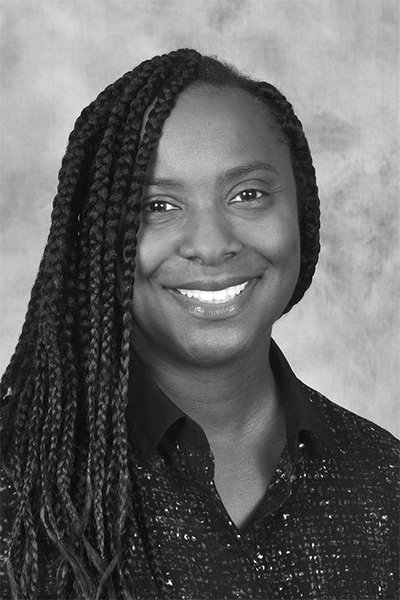
Dr. Brenda Curtis is a clinical investigator in the National Institute on Drug Abuse/NIH Intramural Research Program, and the Chief of the Technology and Translational Research Unit. Having earned both a bachelor’s degree in biology and a master’s degree in public health from the University of Illinois, she subsequently obtained her doctorate in communication from the University of Pennsylvania, where she most recently held the appointment of Assistant Professor of Psychology in Psychiatry, Addictions at the Perelman School of Medicine. Dr. Curtis also completed a fellowship at the Fordham University HIV and Drug Abuse Prevention Research Ethics Training Institute.
Dr. Matthew Smith is currently an Associate Professor of Philosophy at Northeastern University, receiving his PhD from the University of North Carolina at Chapel Hill in 2004. Before arriving at Northeastern, he held positions at Yale University, and the University of Leeds, where he founded the Program in Philosophy, Politics and Economics. Drawing from research in psychology, urban geography, architecture, disability studies, technology studies, literary theory, and economics, his research explores ethical and political questions by thinking about the ways in which human agency is embedded within a social world.
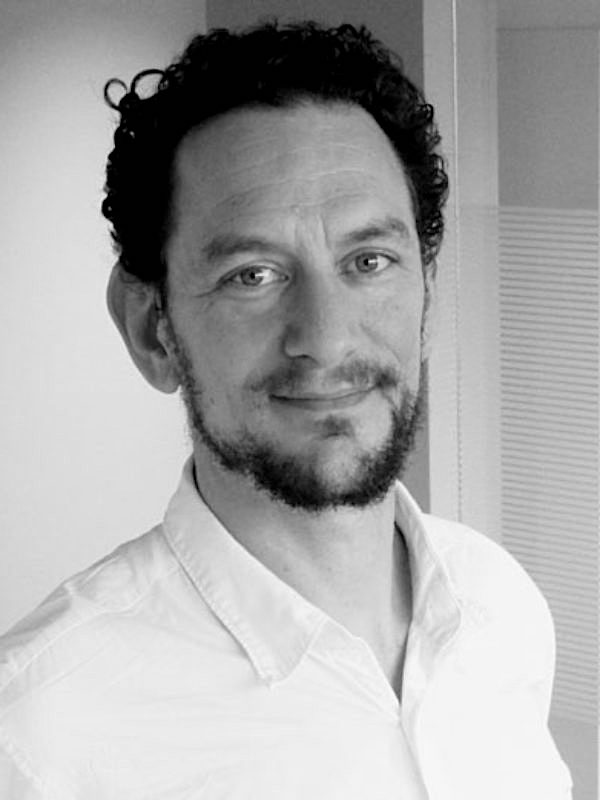
Dr. Celia Fisher is the Marie Ward Doty Endowed University Chair in Ethics and Professor of Psychology, and founding Director of the Fordham University Center for Ethics Education. She currently directs the NIDA funded Fordham University HIV/Drug Abuse Prevention Research Ethics Training Institute. Dr. Fisher has over 300 publications and 8 edited volumes on children’s health research and services among diverse racial/ethnic, sexual and gender minority groups in the U.S. and internationally.
To keep updated with the latest posts, please consider subscribing to the The Ethics and Society Blog today!
 The Ethics and Society Blog