
STUDENT VOICES | THE 2025 CHYNN ETHICS PAPER PRIZE THIRD place WINNER
The Ethical Failure of Mental Health and Medical Care for Immigrants in the United States
By Naishme Arias, Fordham College Rose Hill 2025
When my younger sister was born, my parents encountered a harrowing yet preventable experience. Despite being in a renowned hospital specializing in childbirth and newborn care, coupled with my mother being in the country for four years (already accustomed to navigating life as an immigrant), the lack of Spanish-speaking medical staff and the dismissal of her urgent pleas for help resulted in my sister clinically dying three times. Although she defeated these odds and is thriving as a freshman at Fordham University studying computer science, this medical miracle does not erase the trauma my parents endured. Unfortunately, this was not the only experience of medical disregard with which my mother has dealt. After suffering from chronic pain for a decade and seeing countless doctors, she was only recently diagnosed with fibromyalgia and is currently receiving treatment. These experiences exemplify the broader systemic neglect that millions of immigrants face in the U.S. healthcare system, where linguistic, cultural, and financial barriers prevent access to essential medical and mental health services. In a field founded on an oath to uphold honesty, provide equal care, and promise to do no harm– that begs the question, why do gaps in healthcare persist?
The American medical field’s failure to provide adequate healthcare for immigrants is a profound ethical violation that contradicts the principles of justice, beneficence, and human dignity. Systemic barriers such as language inaccessibility, policy restrictions, and financial obstacles exacerbate medical neglect and mental health crises among immigrant populations. Addressing this injustice requires comprehensive policy reforms, increased cultural competency in medical institutions, and a fundamental shift toward viewing healthcare as a universal human right rather than a privilege reserved for select groups.
Healthcare is often viewed as a fundamental human right, a perspective reinforced by ethical frameworks such as those proposed by Immanuel Kant, John Rawls, and contemporary bioethicists. Kant’s deontological ethics emphasize that all individuals deserve to be treated as ends in themselves, not as mere means to an end. Using Kant’s logic, denying immigrants access to healthcare is an affront to their inherent dignity and right to life. Furthermore, ethical theories grounded in utilitarianism also support broader healthcare access, since providing medical and mental health services to immigrants would lead to greater overall well-being and social stability within the nation.
Despite these ethical imperatives, the U.S. healthcare system systematically excludes immigrants through restrictive policies and prohibitive costs. The 1996 Personal Responsibility and Work Opportunity Reconciliation Act (PRWORA) barred many immigrants from accessing Medicaid for their first five years of residency, disproportionately harming low-income individuals. For undocumented immigrants, the situation is even more dire, as they are ineligible for federal healthcare programs and must rely on underfunded community clinics or emergency rooms for treatment. This institutional neglect stands in stark contrast to the ethical principles that should guide public policy. The consequences of this exclusion were especially evident during the COVID-19 pandemic. Page et al. (2022) found that undocumented communities faced greater exposure to high-risk employment with minimal protections, worsening chronic illnesses, and restricted access to healthcare. As a result, these systemic failures contributed to a decline in overall health and disproportionately high rates of preventable fatalities. The increased mortality from treatable conditions underscores the extent to which the U.S. healthcare system has failed to meet the specific needs of immigrant populations, violating fundamental ethical principles of justice and beneficence.
Beyond physical healthcare, immigrants in the U.S. face an alarming lack of mental health support. Migration, especially under precarious conditions is often accompanied by trauma, separation from family, and exposure to violence. Studies indicate that immigrants experience high rates of depression, anxiety, and post-traumatic stress disorder (PTSD), yet mental health services remain largely inaccessible to them (Steel et al. 2011). Cultural stigmas surrounding mental health, combined with language barriers and a shortage of culturally qualified providers, further compound the problem.
From an ethical standpoint, failing to provide mental health care violates the principle of beneficence, which obligates individuals and institutions to act in ways that promote the well-being of others. Healthcare professionals take an oath to do no harm, yet the systematic neglect of immigrant mental health perpetuates harm by allowing suffering to continue unaddressed. Additionally, the principle of nonmaleficence-avoiding actions that cause harm, is undermined when policies create additional psychological distress for immigrants. Family separations at the border, prolonged detention in inhumane conditions, and the fear of deportation all contribute to a mental health crisis that the current healthcare system is unequipped to address. Even when immigrants seek medical care, they often encounter overwhelming obstacles. 39.2% of immigrants do not have health insurance (Urban Institute, 3) and out-of-pocket costs for medical services are excessive. Those who are undocumented may fear seeking treatment due to concerns about deportation, a fear exacerbated by policies such as the Trump administration’s 2019 “public charge” rule, which threatened to deny green cards to immigrants who utilized public benefits. These disparities persist even in the period of a different presidency; as of 2023 under the Biden administration, the Centers for Disease Control and Prevention (CDC) reported that 24.7% of Hispanic adults were uninsured, a rate significantly higher than that of non-Hispanic adults (CDC, 2023). This ongoing lack of access underscores the systemic failures of the U.S. healthcare system and its failure to uphold basic ethical obligations.
These obstacles have serious repercussions. Untreated preventable diseases increase the prevalence of chronic illnesses, including diabetes and high blood pressure. For instance, pregnant women may skip prenatal care, which puts the mother and the unborn child at higher risk. Despite being citizens of the United States, children of immigrants frequently receive poor medical care due to their parents being afraid to interact with the system. These differences demonstrate how the United States has failed to respect ethical principles of equity and justice. Policymakers should prioritize legislation that eliminates waiting periods for Medicaid eligibility and extends public health coverage to all residents regardless of immigration status. Furthermore, in order to successfully address the specific challenges experienced by immigrant communities, mental health services must be extended to include multilingual and culturally competent practitioners.
As a society, we must work to dismantle the xenophobic narratives that justify the exclusionary policies stated above. Ethical discourse must shift from a framework of scarcity, where healthcare is seen as a limited resource that must be reserved for citizens, to one of shared humanity, where every individual is entitled to dignity and care. The denial of adequate mental health and medical care to immigrants in the United States is a profound ethical failure. It contradicts foundational moral principles, exacerbates suffering, and perpetuates systemic inequities. If we are to create a just society, we must commit to ensuring that all individuals, regardless of their nationality or legal status, have access to the healthcare they need. This is not simply a policy decision, for it is a moral imperative. In the words of Dr. Paul Farmer, “The idea that some lives matter less is the root of all that is wrong with the world.” It is time to build a healthcare system that reflects this truth.
For more information about the prize, past winners, and submission requirements for 2026, please visit the Chynn Ethics Paper Prize webpage. The deadline to submit is TBD and is open to ALL undergraduates.
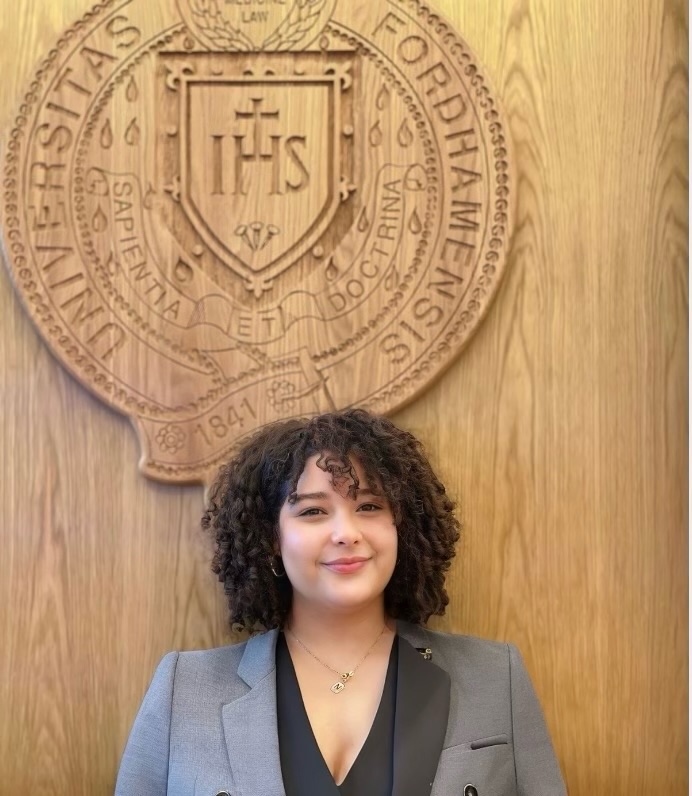
Naishme Arias majored in psychology at Fordham College of Rose Hill with a minor in bioethics (Class of 2025).
References
Bandura, A. (2016). Moral Disengagement: How People Do Harm and Live with Themselves. Worth Publishers.
CDC. (2020, June 20). FastStats – Health Insurance Coverage. CDC. Retrieved March 7, 2025, from https://www.cdc.gov/nchs/fastats/health-insurance.htm
Page, K. R., Venkataramani, M., Beyrer, C., & Polk, S. (2020). Undocumented US immigrants and Covid-19. New England Journal of Medicine, 382(21), 62. 10.1056/NEJMp2005953
Steel, Z., Momartin, S., Silove, D., Coello, M., Aroche, J., & Tay, K. W. (2011). two-year psychosocial and mental health outcomes for refugees subjected to restrictive or supportive immigration policies. Social science & medicine, 72(7), 11149-1156. 10.1016/j.socscimed.2011.02.007
Urban Institute. (2023). The Health Coverage of Noncitizens in the United States, 2024. Urban Institute. Retrieved March 7, 2025, from https://www.urban.org/sites/default/files/2023-05/The%20Health%20Coverage%20of%20Noncitizens%20in%20the%20United%20States%202024.pdf
 The Ethics and Society Blog