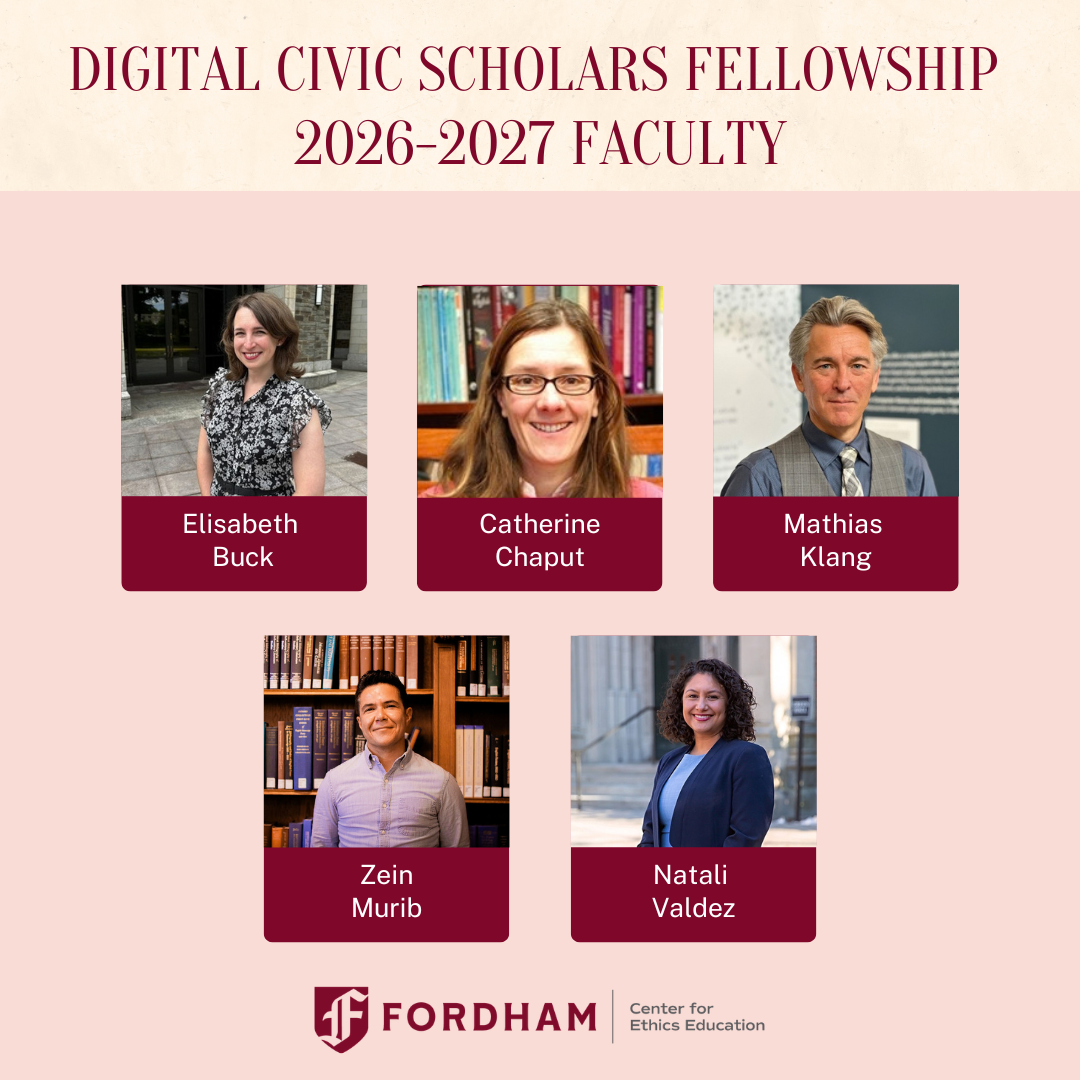
Fordham’s Center for Ethics Education is thrilled to launch the first year of the Digital Civic Scholars Fellowship. This prestigious fellowship offers highly motivated Fordham Juniors a chance to gain hands-on skills in ethical public leadership in an increasingly fractured, digitized environment and engage in innovative research. With expertise across disciplines, fellowship faculty will provide mentored support as fellows conduct research and apply their learning to digital depolarization work. Continue reading to learn more about the faculty’s research, interests, and projects.
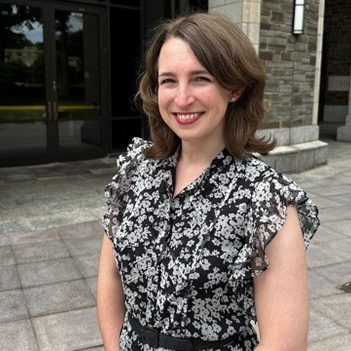
Elisabeth Buck, PhD, Associate Professor of English & Writing Center Director
Dr. Buck is interested in the ethics of generative AI tools writ large, especially at the intersections of rhetoric and writing studies. For this fellowship, they aim to explore rhetorical strategies to encourage women to engage with and learn about generative AI tools. She is also eager to support students’ digital humanities research.
Catherine Chaput, PhD, Kavanagh Professor of Rhetoric, English Department
Dr. Chaput’s project, Rhetoric, Affect, and Community Building in the Bronx, addresses democracy’s technological impasses by moving between the material and digital worlds, with affect as the rhetorical bridge. Working with Bronx community organizations, the project combines fieldwork, historical research, and sensory analysis, then layers them into digital, public-facing maps through multimodal and multisensorial rhetoric. It explores how environment, bodily disposition, and psychology affect audience reception of arguments, and how these practices shape different modes of public communication.
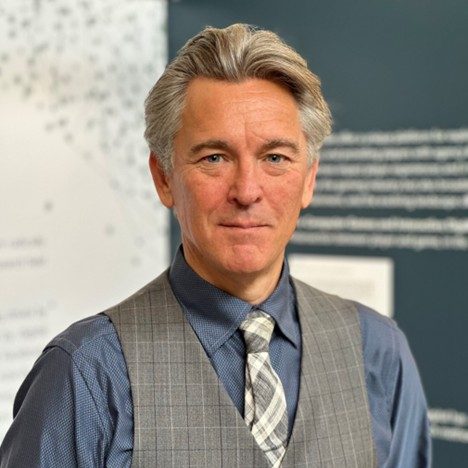
Mathias Klang, PhD, Associate Professor of Communication and Media Studies
Dr. Klang’s research focuses on how surveillance sneaks into everyday life, disguised as care or convenience, and what people actually do about it—from full-on resistance to why a badge or a streak can make you lie to an app nobody else would see. They are also interested in digital culture more broadly, like what’s going on with tradwife content and looksmaxxing, where people optimize their whole lives and bodies using the same tracking-and-self-discipline logic as the surveillance tech many people worry about. Dr. Klang is always willing to talk through a research idea with a student curious about surveillance and digital culture.
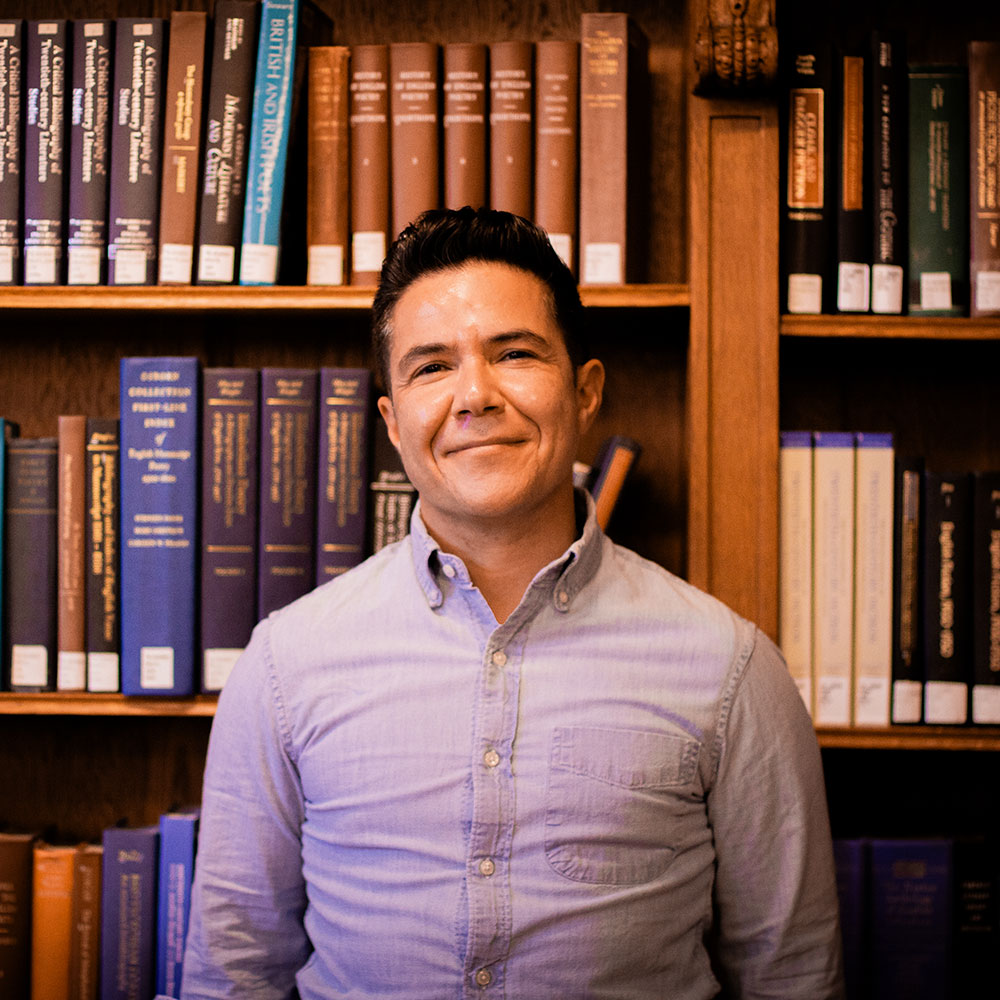
Zein Murib, PhD, Associate Professor of Political Science
Scholars have written extensively on the rhetorical elements of pseudoscientific discourse and the growing distrust Americans display toward science and expertise; relatively little attention has been devoted to uncovering the downstream effects of pseudoscientific discourse with respect to democratic erosion. This oversight is pressing in light of two factors: accelerating democratic backsliding in North America and Western Europe and the broad circulation of pseudoscientific claims on social media by elites. Dr. Murib’s project, “More Votes than People Who Voted: Online Pseudoscientific Discourse and Democratic Backsliding, examines how and to what effect elites have mobilized pseudoscience to introduce a shift in the ways that democratic norms are discussed and understood.
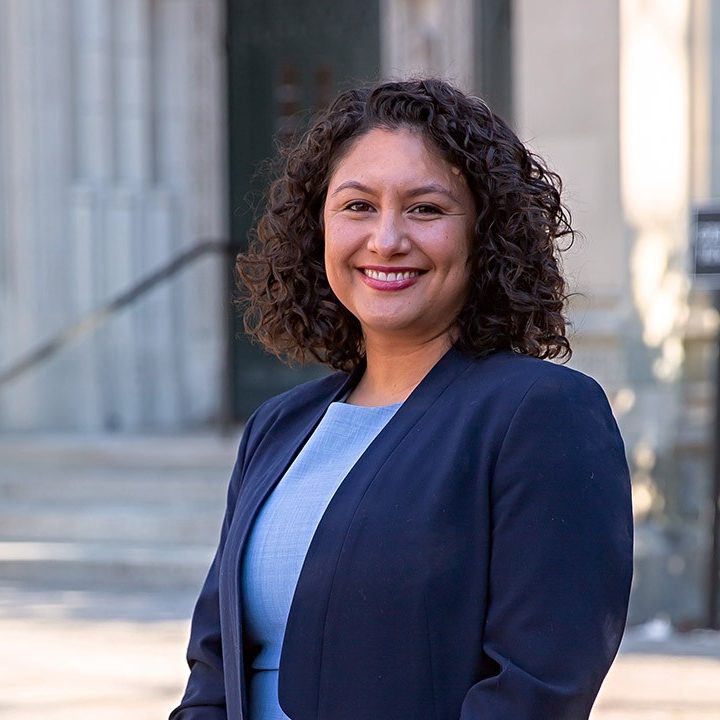
Natali Valdez, PhD, Associate Professor of Sociology & Anthropology
Dr. Valdez is ethnographically examining the translation of science across epigenetics, neuroscience, and trauma studies to understand the popularization and integration of generational trauma and somatic therapies in mainstream media and medicine. Specifically, for this digital civics project, Dr. Valdez aims to examine the widespread use and reference to concepts like “generational trauma” and “somatic healing” on social media platforms such as TikTok and Instagram. The research team will create a database of social media examples that draw on these concepts. This database will help us understand how people translate, apply, and disseminate (partial or fragmented) science in public spaces. It will also be part of a larger project aimed at tracking and critically analyzing how patients and consumers use social media and technology to apply and translate new science, as well as address their own health concerns.
For more information about the Digital Civic Scholars Fellowship, please visit the fellowship webpage. The deadline to submit is October 1st and is open to Fordham juniors.

