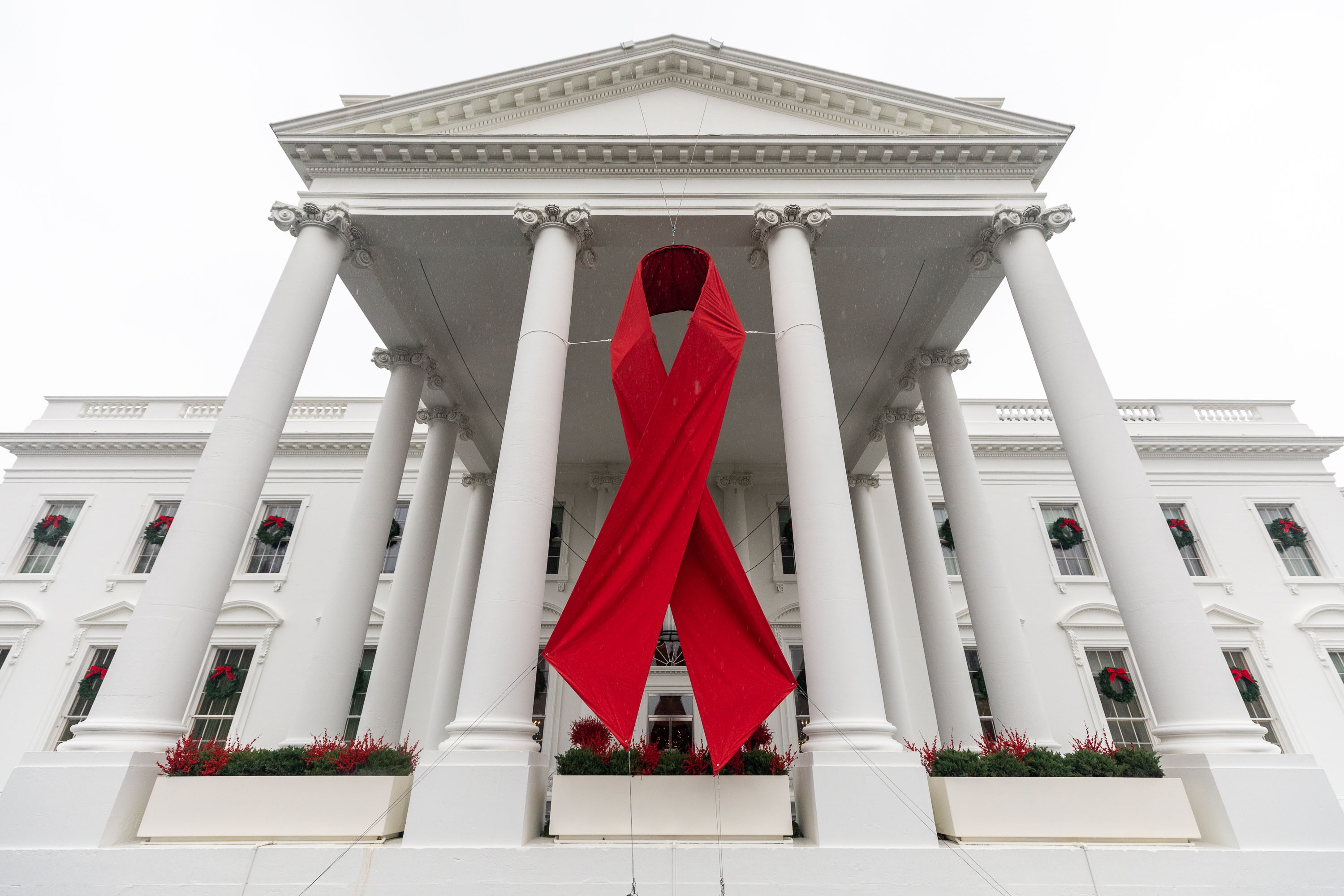
In a recent commentary published in Aids & Behavior, Dr. Celia B. Fisher and colleagues call for a new era of HIV science, drawing on insights from the Fordham University HIV and Drug Abuse Prevention Research Ethics Training Institute’s (RETI) 2025 Research Symposium, “Ethics, Equity, and the Next 15 Years of HIV Research.” The commentary raises longstanding moral frameworks and ethical imperatives for navigating today’s restrictive research climate and technological and social uncertainty. It aims to answer the question: What happens when the rules that once protected ethical research begin to erode?
For more than forty years, HIV research has helped transform how we think about ethics, justice, and community engagement in science. The HIV epidemic challenged researchers, policymakers, and communities to confront difficult questions about stigma, discrimination, informed consent, privacy, access to treatment, and whose lives are valued. Many of the ethical standards we take for granted today were forged through those struggles.
Today, we face a different kind of challenge. Research funding is shrinking. Academic freedom is under pressure. Public trust in science has become increasingly fragile. Communities that have long faced health inequities are once again experiencing heightened vulnerability. At the same time, new technologies, including artificial intelligence and digital health tools, are creating opportunities for innovation while raising new concerns about surveillance, privacy, and control. These developments raise a fundamental question:
How do we continue to conduct ethical research in environments that may themselves be less trustworthy?
This question was at the heart of the 2025 Fordham University HIV and Drug Abuse Prevention Research Ethics Training Institute’s (RETI) 2025 Research Symposium, directed by Dr. Celia B. Fisher, the Marie Ward Doty University Chair in Ethics. The symposium brought together leaders in HIV, substance use, public health, and bioethics to reflect on the future of ethical research. The discussions revealed a powerful consensus that the ethical frameworks developed through decades of HIV research are not relics of the past, but essential tools for navigating the future.
Beyond compliance: ethics as partnership
One of the strongest themes emerging from the symposium was the need to move beyond a narrow view of ethics as regulatory compliance. Ethical research requires trustworthiness, transparency, and meaningful partnership with the communities we seek to serve.
In a time when participants may fear how their information will be used, researchers must think carefully about what data they collect, how they protect it, and whether collecting certain information is worth the risks. Ethical decision-making increasingly requires balancing scientific goals with the realities of participants’ lives. Researchers may need to carefully consider which information they are collecting from participants, as well as whether or not they should.
Rethinking the health disparities research cycle
The symposium also challenged researchers to reflect critically on their own field. For decades, public health researchers have documented the social determinants of HIV risk and health inequities. Yet many participants asked whether the scientific enterprise has become too focused on describing problems and not focused enough on solving them.
Scientific advances have produced extraordinary treatments and prevention tools for HIV. However, many communities continue to face barriers to accessing those innovations. Too often interventions are proven effective under ideal conditions but fail to reach the people who need them most.
Fisher et al. (2026) argued that future research must place greater emphasis on implementation, sustainability, and structural change. Success should be measured by whether research contributes to lasting reductions in health inequities.
The promise and perils of new technologies
The rise of digital health, artificial intelligence, and predictive analytics presents another ethical crossroads. New technologies may help identify individuals at risk for poor health outcomes, improve treatment adherence, and expand access to care, but they also raise difficult questions about surveillance, autonomy, and bias.
For communities that have historically experienced over-policing and discrimination, technologies that monitor behavior can feel less like support and more like surveillance. Researchers therefore face a challenge: how do we ensure that innovation advances health equity rather than reinforcing existing disparities?
Supporting the next generation
Perhaps the most personal discussions at the symposium focused on mentoring and supporting early-career researchers. Many young scientists are entering a research environment marked by uncertainty, polarization, and funding instability.
Mentorship today requires helping emerging scholars develop the moral imagination needed to navigate complexity, uncertainty, and competing obligations. Future researchers must be equipped not only with scientific skills, but also with the humility, courage, and ethical judgment necessary to conduct research that serves the public good.
A call to action
The challenges facing science today are real, but HIV research has confronted difficult moments before.
Throughout the history of the HIV epidemic, communities, researchers, and advocates repeatedly transformed adversity into innovation. They developed new frameworks, built stronger partnerships, and expanded our understanding of justice and human dignity. The lessons from that history remain relevant.
In addition to protecting participants, ethical research today is about protecting the conditions that make ethical inquiry possible. It is about maintaining trust when trust is fragile, pursuing justice when doing so is difficult, and ensuring that science remains accountable to the communities it seeks to serve.
The full article is available online Fisher, C. B., Brown, B., Fletcher, F. E., Gómez, C. A., Hubach, R. D., Rendina, H. J., & Sauceda, J. A. (2026). Doing Good Well in Unethical Times: A Call to Action for HIV Prevention Research. AIDS and Behavior, 1-7.

